Australia Weather News
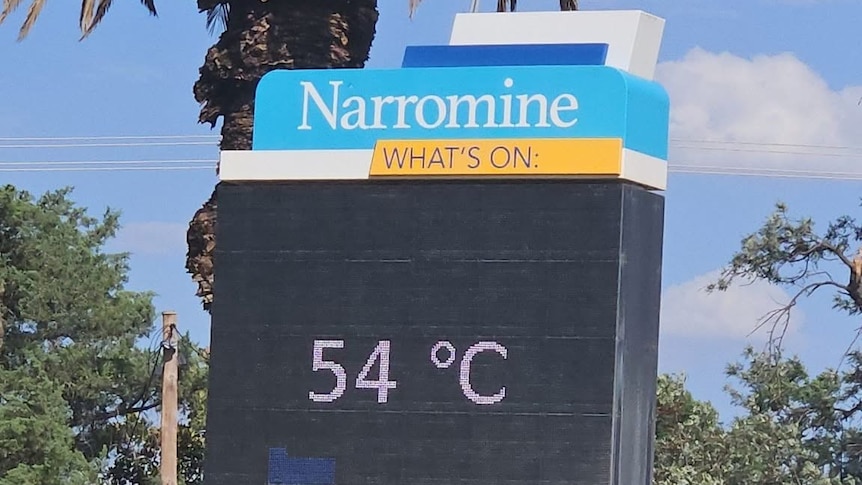
Different devices can give varying temperature readings due to radiant heat exposure. (Supplied)
On a scorching summer day in Australia, it is a familiar complaint: "The forecast says 35, but my car says 42."
So which is correct?
The short answer is both, but they are measuring different things.
In Australia, official temperatures are recorded by the Bureau of Meteorology (BOM) using a highly standardised system designed to measure air temperature as accurately and consistently as possible.
The key tool is something called a Stevenson screen — a white, louvred wooden or metal box that houses thermometers.
These screens are:
• Elevated about 2 metres above the ground
• Positioned over natural surfaces like grass
• Painted white to reflect heat
• Designed to allow air to flow freely while blocking direct sunlight, rain and radiant heat
BOM senior meteorologist Daniel Sherwin-Simpson said the temperature recorded inside the screen was known as the dry-bulb temperature.
"That's essentially the temperature you would feel if you were standing in a shaded, wind-free environment," he said.
By carefully controlling the environment around the thermometer, meteorologists can remove external influences such as sun exposure, heat radiating off surfaces, or hot winds to capture what is considered the true air temperature.
This method also ensures temperatures are comparable across locations, decades and even centuries, which is crucial for climate records and forecasting.
So why does my device say it's hotter?
BOM temperatures are measured in shade, but everyday devices, which often show much higher numbers, can be exposed to more extreme conditions.
Unlike Stevenson screens, car thermometers, electronic signs and personal weather stations are often in direct sunlight, mounted close to or above hot surfaces like asphalt or concrete, or positioned near buildings or walls that radiate heat.
"The ground itself can be much hotter," Mr Sherwin-Simpson said.
"We measure temperature at 2 metres specifically to separate it from the ground.
"In the lowest 10 to 20 centimetres above the surface, temperatures can spike significantly on a warm, sunny day."
That means a sensor near the road, on a dashboard, or attached to a wall may be measuring radiant heat, not air temperature, which can inflate readings by several degrees.
Cars are particularly notorious for this.
When stationary or moving slowly, heat builds up around the vehicle, and warm air from the road and engine can distort the reading.
Even once driving, it can take time for the vehicle's sensor to stabilise.
Feeling heat versus measuring heat
Importantly, higher readings on personal devices do not mean you are imagining how hot it feels.
Surfaces like roads, footpaths and buildings absorb and radiate heat, contributing to heat stress, especially in urban areas.
But when it comes to official records and forecasts, the BOM's approach is designed to strip away these variables.
"The way we measure temperature at the bureau is to remove all the factors that could influence it," Mr Sherwin-Simpson said.
"That gives us the truest form of air temperature."
Temperatures don't tell the full story
While air temperature is the most commonly reported measure of heat, experts say it is only part of the risk picture, and focusing on it alone can be misleading.
"There are actually four components to working out the heat index you have to consider to get the complete picture," Charles Sturt University professor Andrew Hall said.
"It's the air temperature, the humidity, whether you are out in the sun or not, and the wind speed."
Radiant heat from the sun or surrounding surfaces, high humidity that prevents sweat from evaporating, and low wind speeds that limit cooling can all dramatically increase heat stress.
Occupational health and safety regulations do not state a precise temperature at which workers should down tools because exposure to heat-related illness depends on a number of risk factors.
Professor Hall said location and the composition of surrounding buildings could be crucial factors.
"For example, a large amount of concrete can retain a lot of heat for a long period of time," he said.
ABC